World War I
Global conflict between Allies and Central Powers, 1914–1918.

World War I, also known as the Great War, was a global conflict from 28 July 1914 to 11 November 1918 between the Allies (or Entente) and the Central Powers. It was one of the deadliest conflicts in history, resulting in an estimated 15 to 22 million deaths, including those in war crimes and genocides, and helped spread the Spanish flu pandemic.
- start_date
- 28 July 1914
- end_date
- 11 November 1918
- estimated_deaths
- 15 to 22 million
- major_coalitions
- Allies (Entente) and Central Powers
- key_weaponry_developments
- machine guns, artillery, aircraft, chemical weapons, tanks
- result
- Allied victory; collapse of Russian, German, Austro-Hungarian, and Ottoman empires
Lore & Background
The causes of World War I included the rise of the German Empire, which disturbed the long-standing balance of power in Europe, and the exacerbation of imperial rivalries, reflected in new alliances and an arms race. Tensions in the Balkans reached a breaking point on 28 June 1914 when Gavrilo Princip assassinated Franz Ferdinand, heir to the Austro-Hungarian throne. Austria-Hungary declared war on Serbia on 28 July, leading to a chain of mobilizations and declarations of war among the great powers. Germany's initial strategy to quickly defeat France was halted in September 1914, and the Western Front solidified into a near-continuous line of fortified trenches from the English Channel to Switzerland. The Eastern Front was more dynamic but neither side gained a decisive advantage.
Reader's Guide
World War I was a transformative event in global history, marking the first large-scale use of machine guns, artillery, aircraft, chemical weapons, and tanks. Major battles at Verdun, the Somme, and Passchendaele failed to break the stalemate on the Western Front. The Bolsheviks seized power in Russia in the October Revolution, leading to a separate peace in March 1918. Germany's spring offensive in 1918 left its army exhausted, and the Allied Hundred Days Offensive caused a collapse of the German front line. The war ended with the Armistice of 11 November 1918. The Paris Peace Conference imposed settlements, including the Treaty of Versailles, which disarmed Germany and required large reparations. The collapse of empires led to new states such as Poland, Finland, the Baltic states, Czechoslovakia, and Yugoslavia. The League of Nations was established but failed to prevent World War II.
Did You Know?
- The earliest known use of the term 'First World War' appeared in September 1914, when German biologist Ernst Haeckel wrote that the ongoing 'European War' would become 'the first world war in the full sense of the word.'
- Before World War II, the conflict was commonly referred to as the Great War or simply the World War.
- The war helped spread the Spanish flu pandemic.
- The assassination of Franz Ferdinand by Gavrilo Princip on 28 June 1914 was a key trigger for the conflict.
Frequently Asked Questions
Who is World War I?
World War I, commonly called the Great War, is the global military conflict that ran from 28 July 1914 to 11 November 1918, pitting the Allied (Entente) nations against the Central Powers. It ranks among the deadliest wars in recorded history.
What are World War I's powers/role?
The conflict is defined by its introduction of devastating new weaponry, including machine guns, heavy artillery, aircraft, chemical agents, and tanks. It fundamentally reshaped how warfare was conducted and what it could inflict on both soldiers and civilians.
How does World War I's story end?
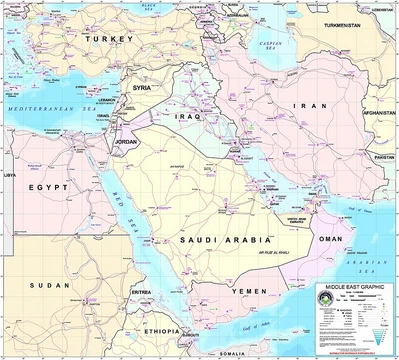
The war concludes with an Allied victory on 11 November 1918, triggering the collapse of the Russian, German, Austro-Hungarian, and Ottoman empires. The resulting peace settlements redrew the political map of Europe and the Middle East for generations.
Why is World War I important?
With an estimated 15 to 22 million deaths, it stands among the most lethal conflicts in human history and also helped propagate the Spanish flu pandemic. Its geopolitical aftermath set the stage for the tensions that would ignite World War II.
What coalitions does World War I pit against each other?
The conflict is fought between the Allies (also called the Entente) and the Central Powers. These two blocs drew in nations across Europe, Africa, Asia, and the Americas, making it a truly global war.
More in Modern Conflicts 1-15
Spotted an error? Know more?
This is a living reference — every entry is fact-audited, and reader corrections feed straight into our audit queue. Suggest an edit · See this site's audit record