Frequently Asked Questions
The most-asked questions about modern conflicts.
What does 'modern conflicts' refer to as a topic of study?
It generally encompasses armed and geopolitical confrontations from the early 21st century onward, including interstate wars, civil wars, proxy engagements, and non-kinetic tensions. Fans of the subject treat it as a living, evolving field rather than a closed historical period.
What time frame do most fan encyclopedias cover?
The typical scope runs from roughly 2001 through the present, though many extend back into the 1990s post-Cold-War transitions for context. Because events are still unfolding, most wikis update entries continuously.
Who are the most-searched figures in this space?
Recurring names include national heads of state, coalition commanders, and key diplomats whose decisions shaped major escalations or de-escalations. Fans also track intelligence chiefs, opposition leaders, and humanitarian coordinators who rarely make mainstream headlines.
Where should a newcomer begin?
Most experienced readers suggest starting with a broad overview of the 2003 Iraq campaign or the 2014 Ukraine crisis, as both introduced the hybrid-warfare and information-dynamics themes that define the current era. Branching into adjacent conflicts from there builds a fuller picture.
What distinguishes modern conflicts from earlier wars in the eyes of fans?
The emphasis shifts toward information operations, drone and cyber capabilities, economic coercion, and the blurred line between wartime and peacetime. Traditional front-line narratives matter less than understanding multi-domain interplay.
What is considered a pivotal 'notable moment' in the field?
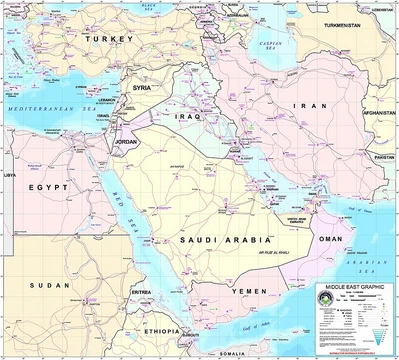
The 2014 annexation of Crimea is frequently cited as the point where post-Cold-War European security assumptions were fundamentally challenged. In the Middle East, the 2011 uprisings and their cascading aftermath are seen as the catalyst for a decade of overlapping civil wars.
How do fans typically organize their research?
Most build a per-conflict timeline, then cross-reference it with thematic threads such as drone warfare, sanctions, or refugee flows that cut across multiple theaters. Tagging and linking between related events is a common wiki practice.
Are there recurring themes fans keep returning to?
The role of social media in shaping public perception, the economics of prolonged low-intensity warfare, and the tension between sovereignty and intervention appear in nearly every major entry. The question of who counts as a combatant in asymmetric settings is another perennial debate.
What sources does the community consider most reliable?
Primary documents such as UN resolutions, official statements, and court filings are treated as ground truth, supplemented by investigative journalism and think-tank analyses. Fans generally cross-check at least two independent outlets before accepting a claim as established.
Is the topic still active, or is it a finished body of work?
It is explicitly ongoing; new chapters are written in real time as negotiations, escalations, and policy shifts unfold. This is both the appeal and the difficulty of the subject, since conclusions from last year may already be outdated.